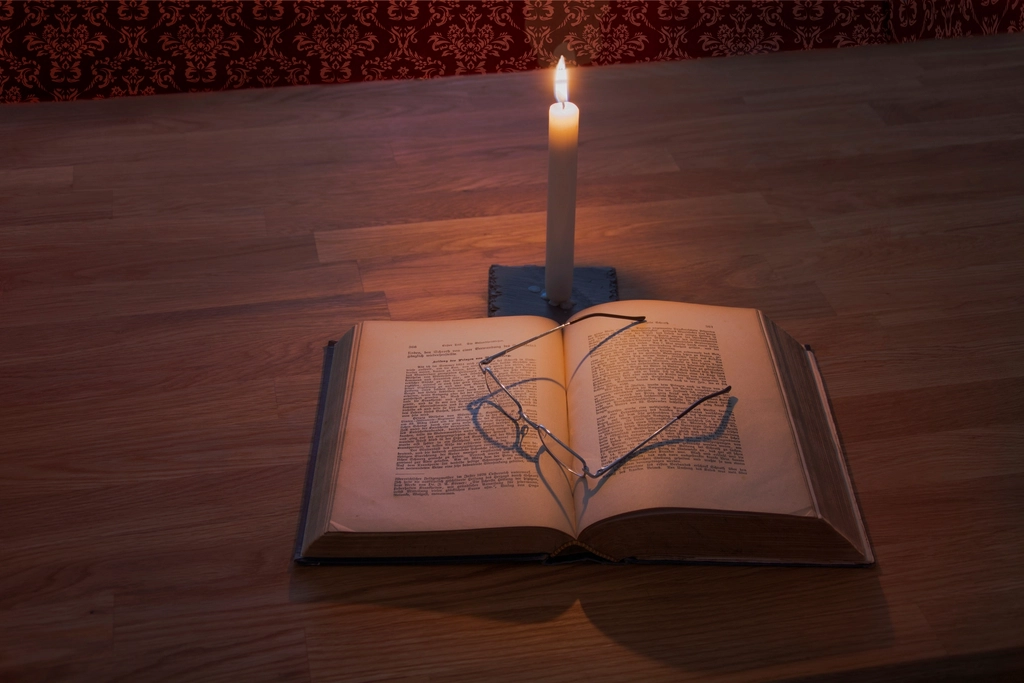
Contemporary Literature · Block 4

Academic Block 4 · Contemporary Literature

Young Adult Fiction
& Psychological Thriller

A comparative analysis of audience, narrative elements, representative works and authors.

StudentJonas Velásquez
ID cardC.I. 17.218.865
SubjectContemporary Literature
FormatComparative chart · narrated video

→ press to begin

Part 1 · Young adult fiction

Literature for the teenage “I”

Written for readers aged 12–18. Not a theme but a point of view: the world seen by someone still deciding who to become.

Audience

12–18, though many readers are adults.

Themes

Identity, friendship, first love, pressure.

Formats

Realism, fantasy, dystopia, horror.

Why it works

Readers see their own doubt.

Young woman reading a book outdoors
Ed Yourdon · CC BY-SA 2.0Wikimedia
1960s–1970s. The Outsiders proved teenagers could carry realistic fiction. Blume and Cormier brought taboo subjects into the classroom.
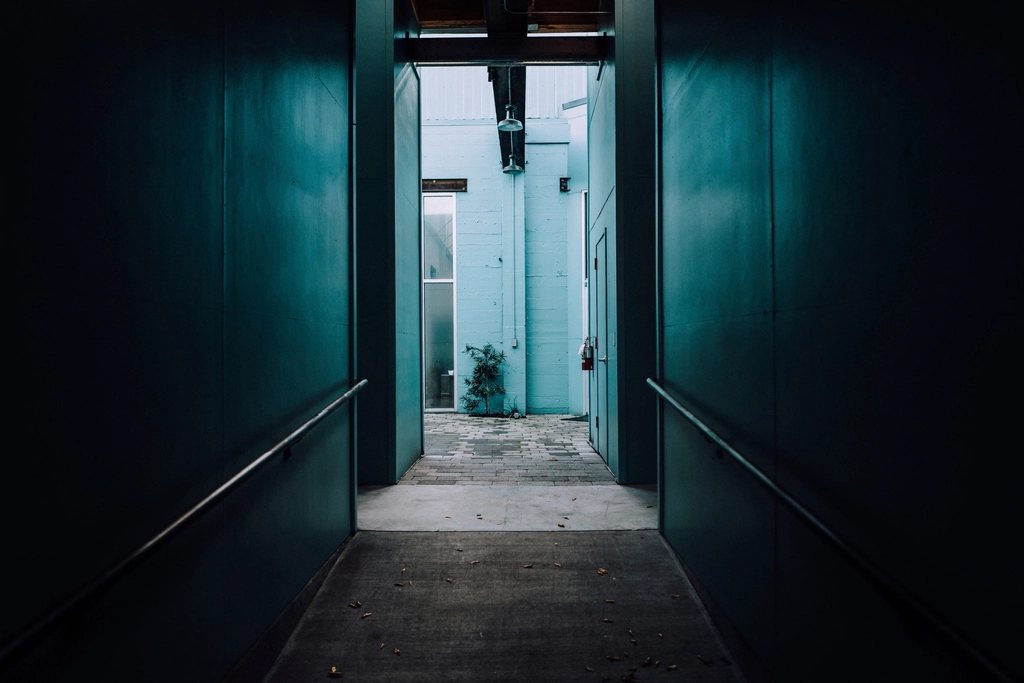
Dark corridor leading to a lit doorway
Rawpixel · CC0Rawpixel

Part 2 · Psychological thriller

Suspense built inside a mind

A thriller is built on a question to answer and a danger that keeps growing. The psychological variant adds a second battlefield: perception, memory and motive.

The crime may be shown from the start: tension comes from how and why, not only who.

What is happening?

A disappearance, a death, a secret.

Who can I trust?

Unreliable narrators and hidden agendas.

What comes next?

Rising stakes that keep us reading.

Part 2 · Anatomy of suspense

Six elements every thriller needs

Open each element to see how it works inside a real story.

A central question: what happened to the missing girls? (Sharp Objects).

A wife vanishes (Gone Girl); a wedding takes place on a remote island (The Guest List).

Addiction, trauma or memory loss turn the narrator into an unreliable voice.

Breadcrumbs let the reader hypothesise without confirming anything.

A race against time, a character on the run, more people to lose.

The final answer must justify every clue left behind.

Part 3 · Comparative chart

Young Adult vs. Psychological Thriller

6 criteria · 2 shared traits
CriterionYoung Adult FictionPsychological Thriller
Primary audienceTeen readers (12–18) plus many adultsTeen or adult readers, by subgenre
ProtagonistA young person deciding who to beOften an adult with a doubtful memory
Central conflictIdentity and the fear of not fitting inA hidden truth and growing danger
ToneEmotional, intimate, hopefulDark, tense, uncomfortable
StructureTransformation: the character changesProblem → clues → twist → reveal
Reading experienceRecognition: “this is what I feel”Suspicion: “this is not what it seems”
Human conflictBoth build on vulnerability, desire and fear.
Emotional identificationBoth need a narrator the reader cares about.

Hybrid cases: The Hunger Games is YA with thriller pacing; Gone Girl is a thriller read by young adults.

Part 3 · Canon

Works and authors

Click a card to reveal the author.

Young adult fiction

Psychological thriller

Classic reference: Psycho (1959) by Robert Bloch.

Conclusion

Two questions, two genres

Young Adult

“Who am I becoming?”

  • Transformation as the plot
  • Emotion as the engine
  • Hope as the horizon
VS

Psychological Thriller

“Can I trust what I perceive?”

  • Truth as the plot
  • Suspense as the engine
  • Revelation as the horizon

Both genres ask the same question in different languages: what does it mean to be a person under pressure?

References

Sources and image credits

  1. CNN. “The evolution of young adult fiction.” 2013. edition.cnn.com
  2. Thriller101. “Six Elements Every Thriller Needs.” thriller101.com
  3. 5310 Publishing. “Thriller Writing 101.” 5310publishing.com
  4. IUTSO Virtual. Academic Block 4 — Contemporary Literature.

Video access link — saved in this browser.

Images (free to use)
MertbiolCC0 · Wikimedia
Ed YourdonCC BY-SA 2.0
RawpixelCC0
annezazuCC0
RawpixelCC0

CC BY-SA 2.0 images include attribution on the slide.

Thank you for watching — questions are welcome.

01 / 8

Atajos de teclado

← →
Navegar entre diapositivas
Espacio
Avanzar
F
Pantalla completa
Home End
Primera / última diapositiva
Esc
Cerrar paneles
Click
Desplegar tarjetas y línea de tiempo

Graba en horizontal (16:9). No necesitas internet: las imágenes están en la carpeta assets. Los controles se ocultan solos a los 2 segundos: mueve el mouse para que vuelvan.